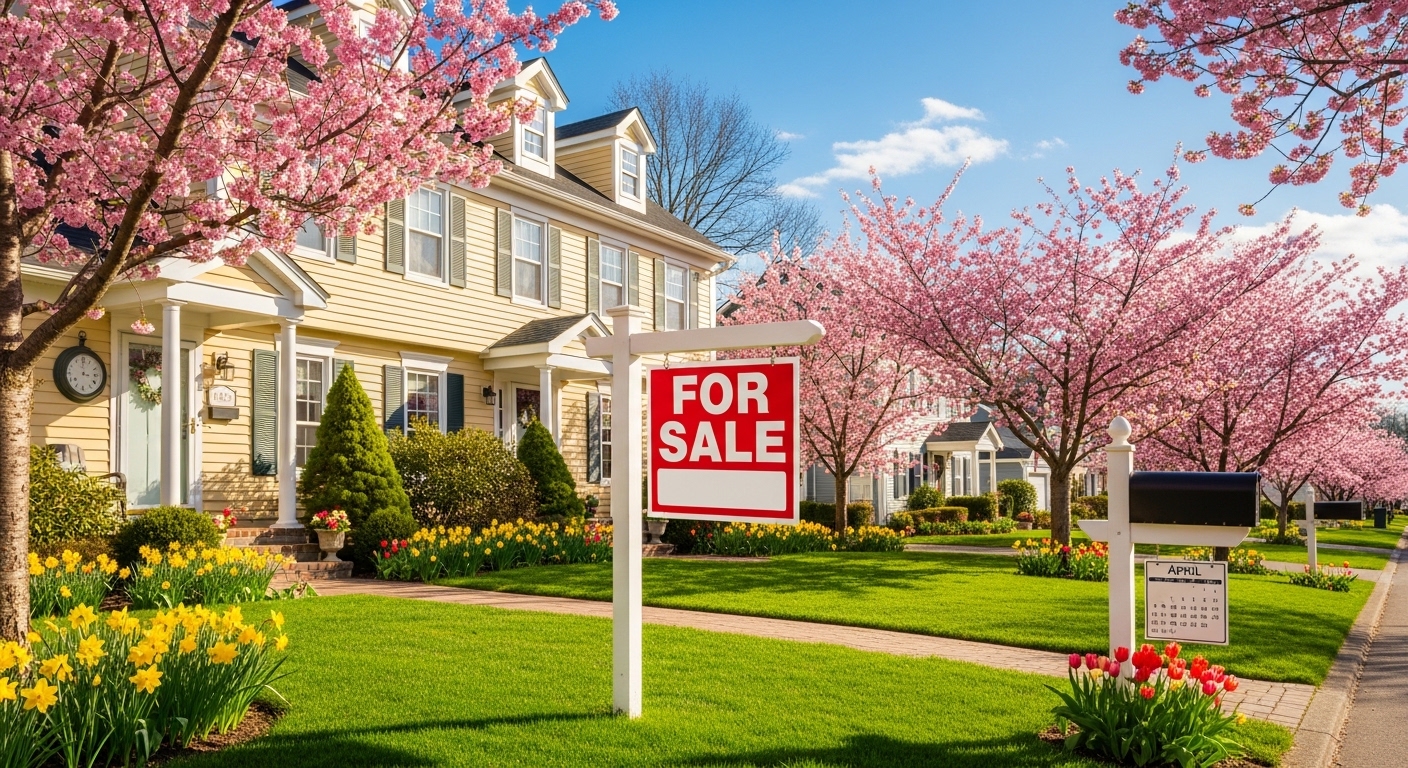
If you've been paying attention to the Cicero, Illinois real estate market lately, you've probably noticed something interesting. While the median home here hovers around $300,000, there are certainly higher-end properties in our area that command significantly more attention and a completely different marketing approach. After years of working with sellers across the price spectrum, I've learned that marketing a luxury home is nothing like marketing an average-priced home. The strategies, the buyer psychology, the timeline, and even the marketing channels are fundamentally different. Let me walk you through these differences so you understand why a cookie-cutter approach just won't cut it.
Understanding the Luxury Home Buyer
Buyers in the luxury segment usually have very different expectations from the average homebuyer. Instead of focusing mainly on price, they often place greater value on privacy and prestige. This is crucial. When someone's shopping for a home in the $600,000 to $1,000,000 range, they're not simply looking for four bedrooms and two bathrooms. They're looking for a lifestyle, an experience, and a sense of exclusivity that their peers will envy.
Affluent buyers rarely feel pressure to make a quick decision. Many already own several homes, so purchasing another property is usually a strategic choice rather than an urgent need. This means your marketing needs patience. Unlike selling an average-priced home where you might close in 30 days, ultra-luxury homes in major U.S. markets took about 400% longer to sell than the average property—around 319 days compared to less than 60 days. In Cicero, where homes typically sell in about 30-49 days, luxury properties may take considerably longer. That's not a failure; that's simply the nature of the luxury market.
Perception Over Visibility
Here's something that changed how I approach luxury marketing entirely. Traditional real estate marketing focuses on visibility. High end marketing focuses on perception. That's the fundamental difference right there.
When you're marketing an average-priced home, you want as many eyes as possible on that listing. You post it everywhere, you hold open houses, you get signs up. With luxury homes, fewer eyes on the property is actually better. You want the right eyes. You want serious, qualified buyers who understand what they're looking at and can appreciate the nuances of what you're selling.
When you're marketing a luxury home, you need to demonstrate that the home is of the highest quality and worth the price you're asking for it. To do this, you must focus on even the smallest of details. I once listed a luxury property where the hardware on the kitchen cabinets cost more than most people's cars. That's exactly the kind of detail that matters in luxury marketing.
Professional Staging and Visuals Are Non-Negotiable
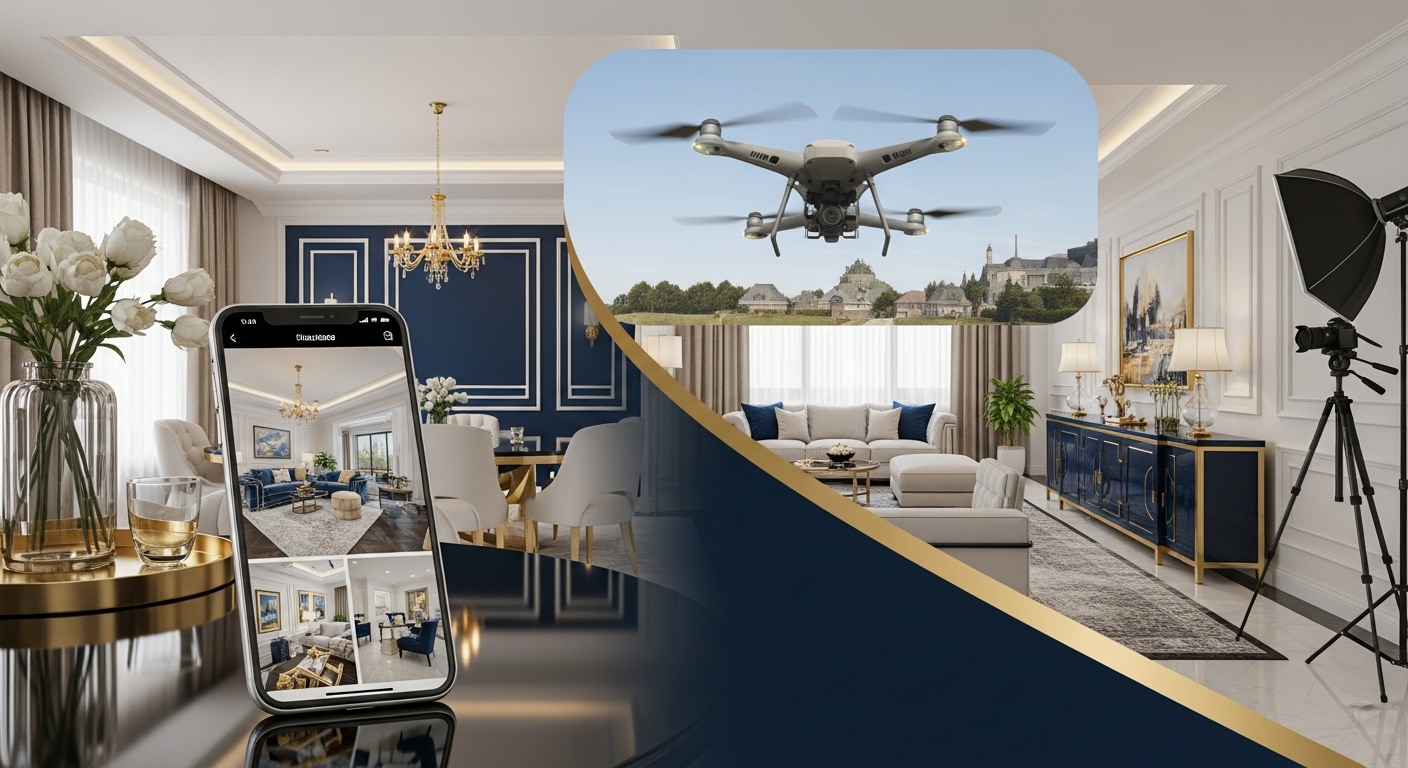
Photography is also incredibly important when it comes to luxury real estate. Your clients will be busy and some of them may be overseas. Without high-quality photos that include drone footage, twilight shots, and video footage, you're less likely to generate interest in an in-person tour.
I cannot stress this enough. For average-priced homes, a good smartphone photo might work. For luxury homes? You need professional photographers, drone operators, and video producers. This isn't an expense—it's an investment that pays for itself. With an average investment of 1% of the sale price, data from the Real Estate Staging Association report an average (75% of sellers) ROI of 5-15% over asking price.
The best way to do this is to get the property decorated and staged properly — inside and out. The refinement that a luxury home offers needs to be seen in every nook and cranny of the home. For average homes, you might recommend removing clutter. For luxury homes, you're creating an aspirational vision of how someone should live.
Networking Beats Open Houses
This was surprising to me early on, but it makes complete sense now. Networking is a cornerstone of success in luxury real estate, where relationships and reputation are as valuable as market expertise. Affluent clients often prefer to work with agents who come highly recommended or are well-connected within exclusive circles.
The luxury real estate relies less on traditional MLS listings and more on having a deep network of buyers and connections within the upper echelon. The most successful luxury real estate agents will have started their journey with a top-tier luxury real estate mentor and will network strategically to grow a deep network they can tap into when opportunities become available.
In Cicero, this means building relationships with other agents who work with luxury properties, connecting with the local business community, and cultivating relationships with past clients who might refer high-net-worth individuals your way. It's about being known as the expert in your market.
Technology and Modern Marketing
Now, this is where the luxury market is evolving quickly. AI, virtual reality, and automation are revolutionizing how properties are showcased and sold. Virtual tours and high-end digital content, as used by top agents, create immersive experiences that captivate buyers.
Social platforms are a cornerstone of luxury real estate marketing in 2025. Advanced ad strategies and creative content formats—think Instagram Reels, Stories, and YouTube Shorts—capture attention where affluent buyers spend their time. But here's the difference: for luxury homes, your social media content needs to be editorial quality. Think lifestyle magazine, not casual real estate post.
I also use HOUSEJET for property information, but I'm leveraging it differently than agents marketing average-priced homes. For luxury properties, I'm using it to find comparable sales in the ultra-premium market segment, to support the sophisticated pricing strategy that buyers at this level expect.
Pricing Strategy Matters More Than You Think
One of the most critical differences between marketing luxury and average homes is how you approach pricing. Whether you're selling a $100,000 home or a $1,000,000 home — but especially a $1,000,000 home — it needs to be priced properly if you're going to sell it for top dollar. Pricing is as much of a science as it is an art and there is a certain amount of strategy and psychology that goes into pricing a home so that it will sell for top dollar in a reasonable amount of time.
For average homes, being slightly overpriced might still result in a sale after a price reduction. For luxury homes, being overpriced can actually kill the sale. Sophisticated buyers do their research, and they know value.
The Emotional Connection
In real estate, professionals know that one of the most important tools they have is the story they tell their clients about a property. For luxury clients, this is different than the traditional family home sales. The only way to know what your luxury client's specific individual wants is to ask questions and be exceptionally adept at listening.
When working with luxury buyers in Cicero, I take time to understand why they're interested in our community. Are they drawn to the proximity to downtown Chicago while maintaining suburban living? Are they looking for a quiet neighborhood with excellent schools? The story you tell needs to match their aspirations.
Patience and Long-Term Thinking
Focus on activities that nurture relationships and keep the property appealing over a longer period. Your job doesn't end the day the listing goes live. You're maintaining the property's appeal, staying in touch with potential buyers and their agents, and keeping momentum for potentially months.
Finding Your Local Expert
If you're considering selling a luxury home in Cicero, you need an agent who understands these differences. I've spent years studying the nuances of both average and luxury home marketing, and I apply these insights every single day. Whether you're selling a home at the median price for our area or a luxury property several multiples higher, you deserve a real estate agent who knows exactly how to position your home for success.
The luxury market in our area is dynamic and growing. If you're looking to sell a high-end property, or if you're curious about where your luxury home stands in today's market, I'd love to have a conversation. That's exactly what I do.